

Binchotan Charcoal Filter M
Couldn't load pickup availability
Description
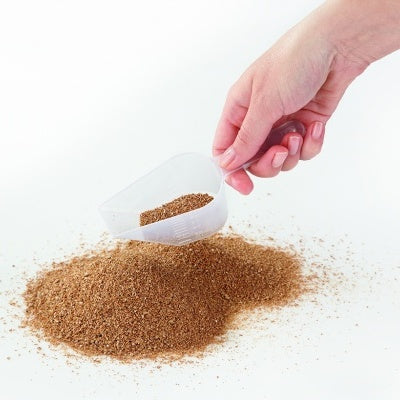
Binchotan Binchotan charcoal is a Japanese product, made since the Edo period in the 17th century. It is made from the branches of Ubamegashi, a typical Japanese oak with wood so dense that it does not float. The wood comes from sustainable sources. Small branches from conscious pruning are reused to make binchotan.
Binchotan used for water purification requires a very special carbonization process. In the end, the carbon content of Wakayama Binchotan is 96%. It is considered the purest in the world and is now part of the cultural heritage of the land of the rising sun.
These pieces of charcoal are said to remove the taste and smell from tap water, while purifying it. It is, therefore, a zero-waste alternative to plastic bottles.
More powerful than reconstituted carbon cartridges, they capture and retain unwanted molecules from tap water. This is why it tastes so light and palatable.
Binchotan filters attract negative ions that get trapped in the multiple pores of the charcoal. In this way, they absorb chlorine, limescale, heavy metals, pesticides, bacteria, sulfur and other impurities, without releasing them into the water. It also helps to remineralize and alkalize the water and is recommended for purifying baby bottle water to avoid plastic bottles.
Other Information
Other Information


How we prepare your orders
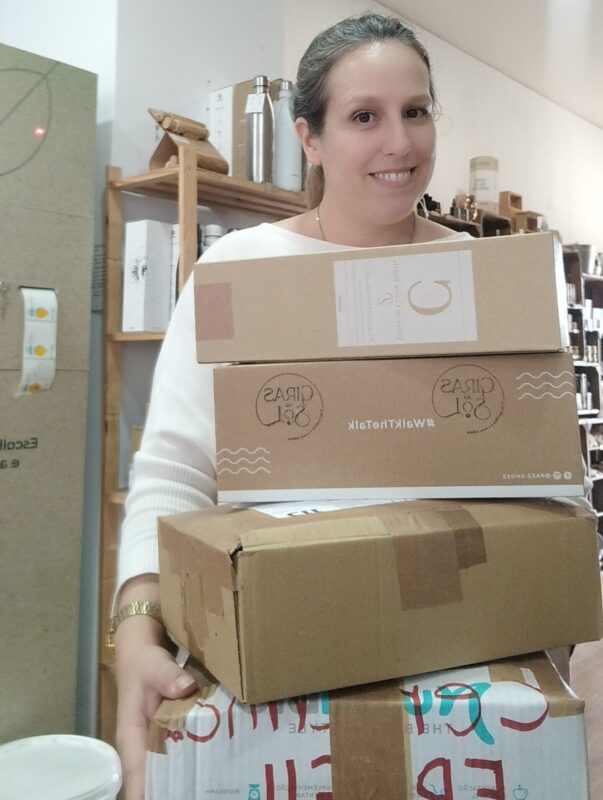
For us, all orders are special. We prepare everything with great care. But always using reused boxes/materials.
Upon receipt of the order, we separate the items (and check if any are out of stock). If everything is okay, we proceed to packaging (all with materials left by our customers or from orders we receive from suppliers). If any item is out of stock, we will contact you with various options.
Shipments are made by CTT Expresso, and you will normally receive either a message or an email indicating the estimated delivery. Then it's time to open your order, confirm that everything has arrived safely, and enjoy the items.
If you wish, and it is very important to us, please leave your feedback. We hope you like it as much as we do!